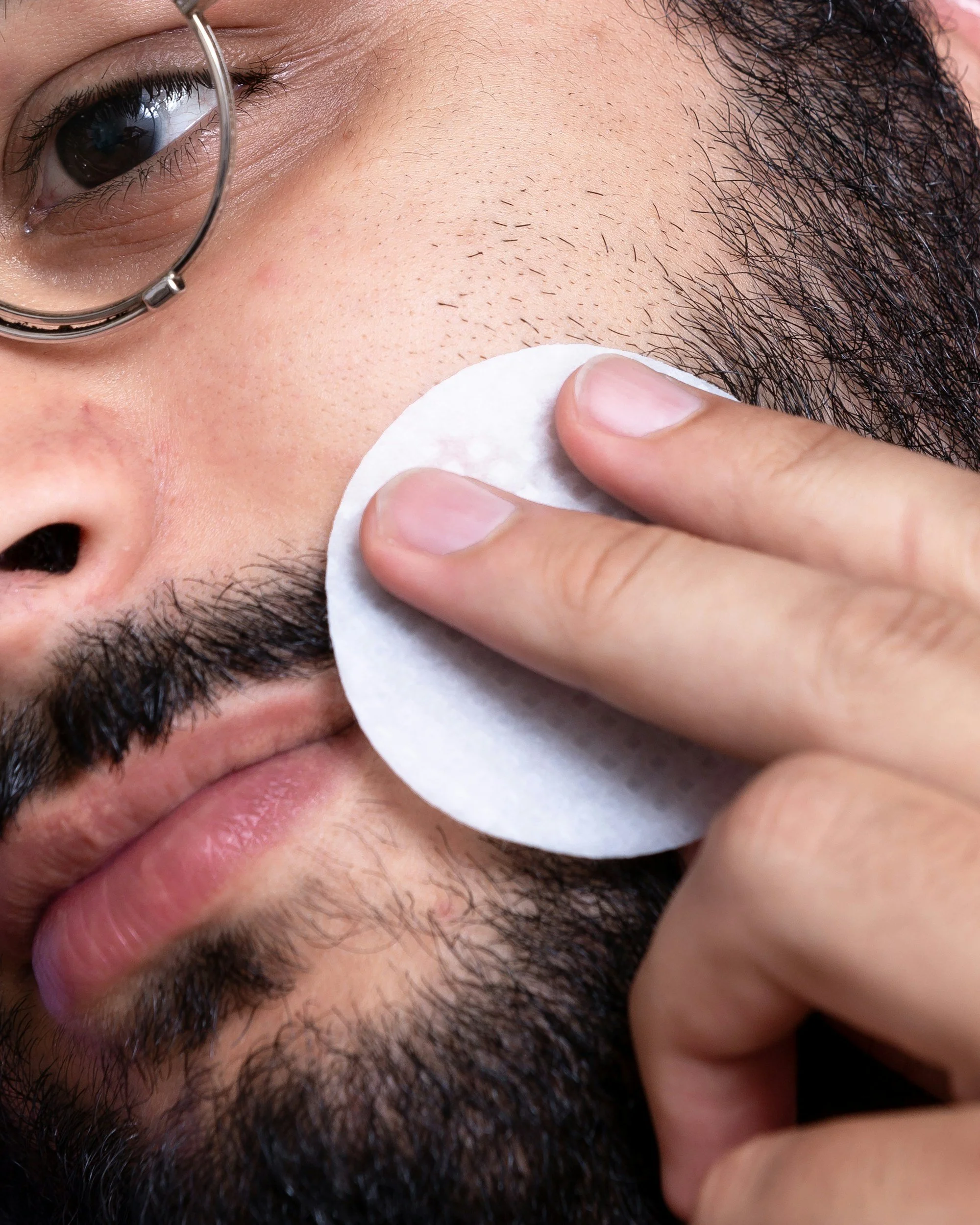
Medical Dermatology Services
Dr. Messing treats many skin conditions as well as skin cancers including, but not limited to: non-melanoma skin cancer, melanoma skin cancer, psoriasis, eczema, acne (all ages), lichen sclerosus, and much more.
Most Popular Services
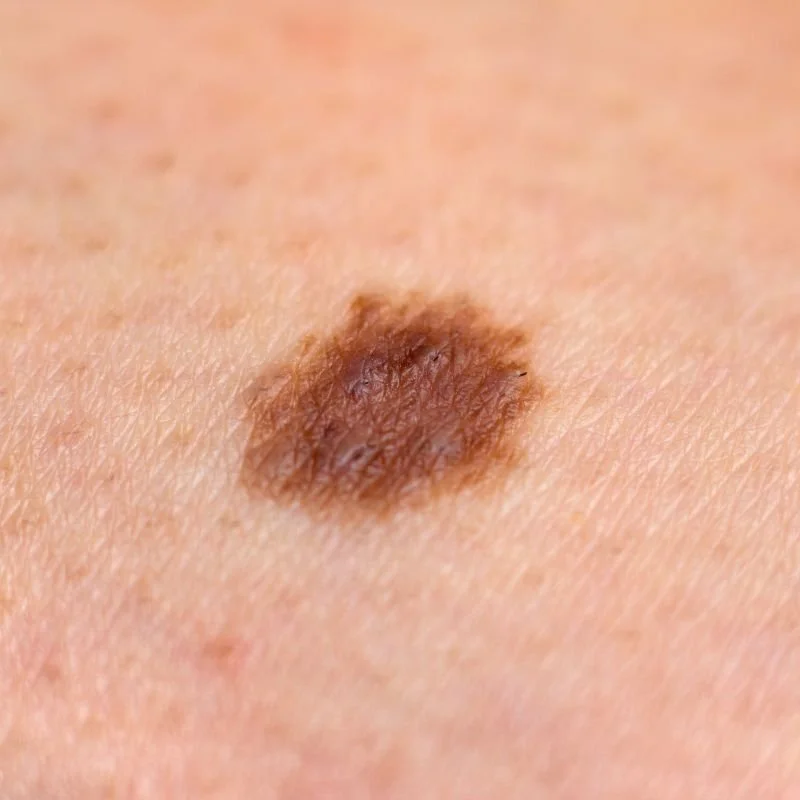
Skin Cancer Screening, Treatment & Management
Comprehensive skin cancer evaluations, screenings, and personalized treatment plans for suspicious or diagnosed skin cancers.
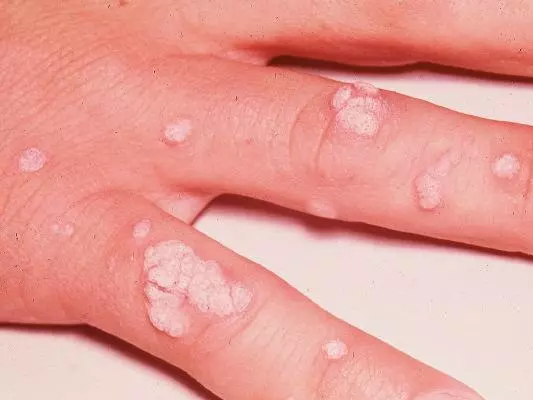
Warts Removal
Evaluation and treatment of common, plantar, and genital warts using appropriate, individualized treatment options.
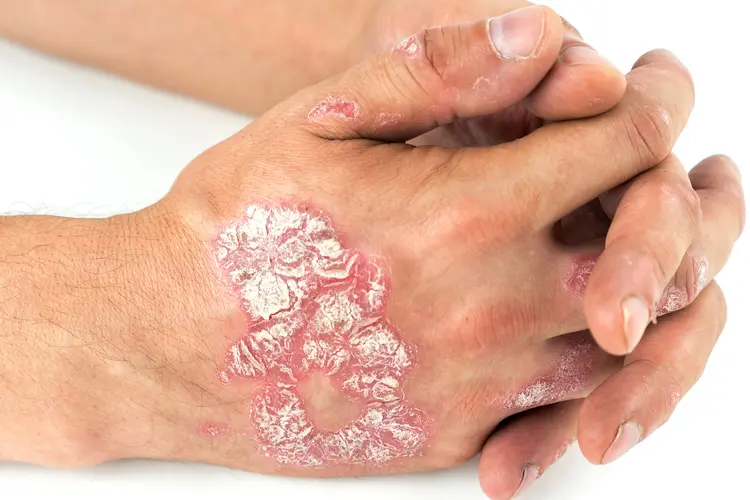
Chronic Skin Disease Evaluation & Management
Diagnosis and ongoing treatment for common and complex skin conditions, including acne, rosacea, psoriasis, atopic dermatitis, and more.
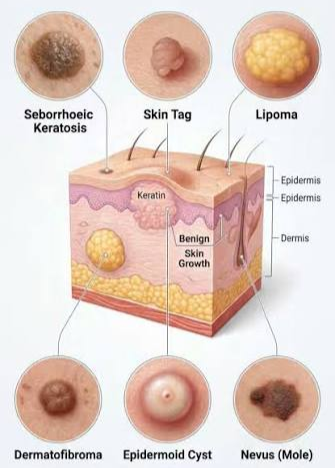
Lesion Evaluation
Evaluation of new, changing, or bothersome skin lesions, with removal when appropriate for medical or cosmetic reasons.
Types of Skin Cancers
If you have been diagnosed with skin cancer, or you are concerned that you may have skin cancer and need treatment, it is important to assess and know what type of skin cancer that you may have. Accurate diagnosis by a dermatology expert is the first most important step in treating skin cancers. The correct type of skin cancer must be identified in order to prepare a targeted treatment plan.
Lentigo Maligna
This is a subtype of melanoma in situ, and it has some female preponderance. Lentigo maligna melanoma is one of the main subtypes of invasive melanoma and represents about five to 15 percent of all cases. Superficial spreading occurs in about 70 percent of the cases.
Malignant Melanoma
It is a neoplasm of melanocytes or of the cells that develop from melanocytes. Malignant melanoma was once considered a rare occurrence, but its annual incidence has rapidly increased over the last few decades. The rate of mortality in this disease has also gone up.
Microcystic Adnexal Carcinoma
This is a rare, malignant appendage tumor considered as a low-grade sweat gland carcinoma that normally occurs on the head and neck, mostly on the central face. Microcystic adnexal carcinoma shows aggressive local invasion but has little metastatic potential.
Lentiginous Melanoma
This is a melanoma occurring on sun damaged skin. It comprises malignant cells, but does not show invasive growth. The progression of this cancer is typically very slow, and it can remain in non-invasive form for years. It is often found in older people in skin sites that are more exposed to the sun, such as the face and forearms.
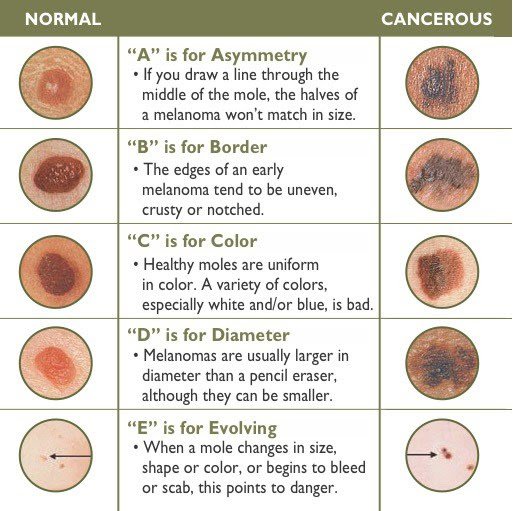
Basal Cell Carcinoma
It is the most common type of skin cancer in humans. The tumors of this cancer typically appear on sun exposed skin, are slow in growth, and rarely metastasize. The size of the tumor may vary from a few millimeters to several centimeters in diameter.
Squamous Cell Carcinoma
SCC is the second most common non-melanoma skin cancer. It is responsible for 20 percent of all cutaneous malignancies and 90 percent of head and neck cancers. The risk of metastasis is present in this type of cancer. Middle-aged and elderly are more at risk of this cancer.
Atypical Fibroxanthoma
Older people are primarily affected by this tumor, if the skin of the head and neck has suffered sun damage. Lesions in this case are often suggestive of malignancy because they arise quickly in the skin where other skin cancers have previously been treated.
Dermatofibrosarcoma Protuberans
This is a relatively rare soft tissue neoplasm with intermediate- to low-grade malignancy. It is a locally aggressive tumor with a high rate of recurrence, but metastasis is rare.
We are proud to offer the non-surgical, gold-standard treatment for nonmelanoma skin cancer
Dr. Messing offers Image Guided Superficial Radiation Treatment (IGSRT) to treat squamous cell carcinoma and basal cell carcinoma. This is a non-invasive/NON SURGICAL alternative to MOHS surgery with a 99% cancer cure rate. Please see this link for more information on this treatment option.
Full List of Services
We are here to support your healthy skin journey. Conditions we treat include, but are not limited to:
Full body skin checks for skin cancer screening
Acne treatment/management (all types and all ages)
Rosace treatment/management (all types and all ages)
Skin cancer treatments both surgical and non-surgical
Psoriasis treatment/management, including biologic medication management if needed
Atopic Dermatitis/Eczema treatment/management (all ages) and treatment including biologic medications (and others) if needed
Wart treatment including common, plantar, and genital warts
Alopecia Areata
Sarcoidosis of the skin
Lupus of the skin
Rashes and other skin lesions
Molluscum contagiosum
Granuloma Annulare
Lichen Sclerosus
Keloids
Hyperpigmentation