Dr. Messing is proud to offer the non-surgical, gold-standard treatment for nonmelanoma skin cancer
Types of Skin Cancers
If you have been diagnosed with skin cancer, or you are concerned that you may have skin cancer and need treatment, it is important to assess and know what type of skin cancer that you may have. Accurate diagnosis by a dermatology expert is the first most important step in treating skin cancers. The correct type of skin cancer must be identified in order to prepare a targeted treatment plan.
Lentigo Maligna
This is a subtype of melanoma in situ, and it has some female preponderance. Lentigo maligna melanoma is one of the main subtypes of invasive melanoma and represents about five to 15 percent of all cases. Superficial spreading occurs in about 70 percent of the cases.
Malignant Melanoma
It is a neoplasm of melanocytes or of the cells that develop from melanocytes. Malignant melanoma was once considered a rare occurrence, but its annual incidence has rapidly increased over the last few decades. The rate of mortality in this disease has also gone up.
Microcystic Adnexal Carcinoma
This is a rare, malignant appendage tumor considered as a low-grade sweat gland carcinoma that normally occurs on the head and neck, mostly on the central face. Microcystic adnexal carcinoma shows aggressive local invasion but has little metastatic potential.
Lentiginous Melanoma
This is a melanoma occurring on sun damaged skin. It comprises malignant cells, but does not show invasive growth. The progression of this cancer is typically very slow, and it can remain in non-invasive form for years. It is often found in older people in skin sites that are more exposed to the sun, such as the face and forearms.
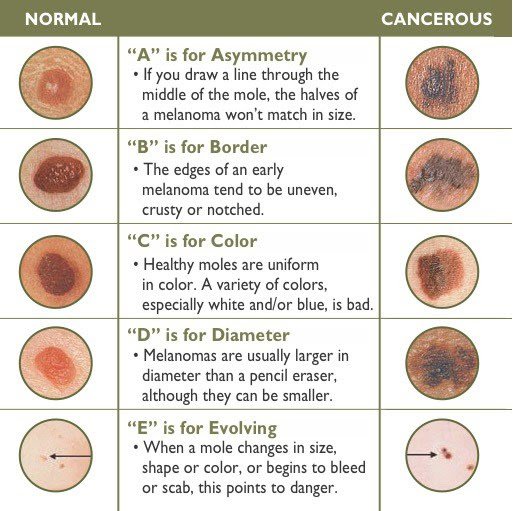
Basal Cell Carcinoma
It is the most common type of skin cancer in humans. The tumors of this cancer typically appear on sun exposed skin, are slow in growth, and rarely metastasize. The size of the tumor may vary from a few millimeters to several centimeters in diameter.
Squamous Cell Carcinoma
SCC is the second most common non-melanoma skin cancer. It is responsible for 20 percent of all cutaneous malignancies and 90 percent of head and neck cancers. The risk of metastasis is present in this type of cancer. Middle-aged and elderly are more at risk of this cancer.
Atypical Fibroxanthoma
Older people are primarily affected by this tumor, if the skin of the head and neck has suffered sun damage. Lesions in this case are often suggestive of malignancy because they arise quickly in the skin where other skin cancers have previously been treated.
Dermatofibrosarcoma Protuberans
This is a relatively rare soft tissue neoplasm with intermediate- to low-grade malignancy. It is a locally aggressive tumor with a high rate of recurrence, but metastasis is rare.
If you suspect that you have skin cancer or have recently been diagnosed and were told you need treatment, schedule an appointment with us today. We offer GentleCure (Image-Guided SRT)—the surgery-free, gold-standard treatment for skin cancer. On your first visit, we will review your pathology report, discuss your treatment goals, and work with you to determine the treatment option that best meets your needs.
Want to cure your skin cancer without surgery?
GentleCure is a gentle, surgery-free treatment that is safe and has a 99%+ cure rate in basal and squamous cell skin cancers. Treatment is done right in the dermatology office over the course of a few weeks using an advanced Image-Guided SRT machine. It is the only skin cancer treatment with ultra-sound imaging that lets you see the cancer on the screen and review the progress made throughout the course of treatment until there are no visible signs of cancer.
See what to expect with treatment
GentleCure (Image-Guided SRT) is designed to treat skin cancer without the discomfort and cosmetic issues often associated with surgery. There is no cutting, surgical scarring, or need for reconstructive surgery, and you can maintain your normal daily activities throughout treatment.



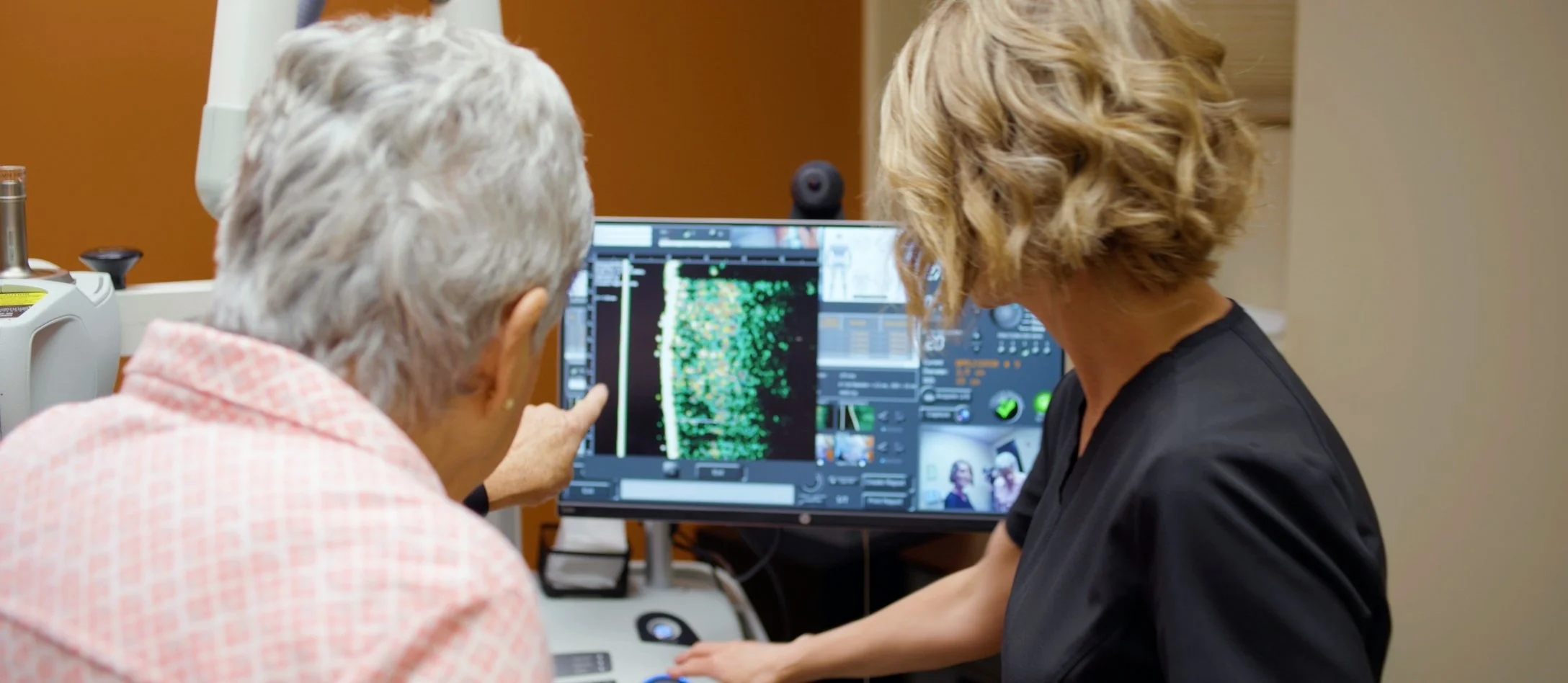
At each treatment session, you will sit in a chair and ultrasound gel will be applied to the site of the cancer. Using an imaging wand, we will look at a detailed image of your cancer on screen. You can see the image yourself from the comfort of the chair. We will use that image to measure the size and shape of the tumor, calculate the precise dose of treatment, and define the treatment area.
Once the imaging is complete, the arm of the device will be placed over the treatment site and the exact dose of X-ray energy will be used to treat the cancer site without harming the healthy tissue around it.
Each treatment session takes about 15 minutes from the time you walk in the door to when you leave the office. You will come back several times a week for short treatment sessions, and in 4-to-7 weeks, treatment will be complete.
Watch this short video
Learn more about the treatment experience and what to expect with GentleCure (Image-Guided SRT).
See more videos about the GentleCure (Image-Guided SRT) experience.
More than 66,000 patients have been successfully treated with GentleCure (Image-Guided SRT)
Patients report being satisfied with GentleCure (Image-Guided SRT). In a survey of more than 12,000 patients who completed treatment, 99.9% reported being happy with their treatment decision and said they would recommend GentleCure (Image-Guided SRT) to others.
Right video: Thirty years ago, Ruby was diagnosed with skin cancer. At that time, her only treatment option was Mohs surgery. When Ruby was diagnosed with skin cancer again in 2019, she was happy to learn about a surgery-free option called GentleCure (Image-Guided SRT).
Visit GentleCure.com/Patient Stories to hear from some of them.

Clinically
proven
Yu L, et al. Oncol Ther. 2021;9(1):153-166. Retrospective chart review evaluating LC rates of 1632 patients with 2917 stage 0-II carcinomas
GentleCure (Image-Guided SRT) has a proven track record that is backed by science and clinical research
In 2021, chart reviews were conducted for 1632 patients who had Image-Guided SRT to treat one or more early-stage basal or squamous cell skin cancers. Of those patients, 2917 skin cancers in total were treated. The results showed a 99.3% cure rate with Image-Guided SRT, which we believe to be equal to or better than Mohs surgery.
In 2022 and 2023, additional studies were published that showed the efficacy and safety of Image-Guided SRT to be superior to non-image-guided forms of radiation therapy across skin cancer types—confirming its use as a first-line treatment for basal and squamous cell skin cancers. This means doctors and patients should give equal consideration to Mohs surgery and surgery-free Image-Guided SRT as standards of care.
More information about the published research supporting the use of GentleCure (Image-Guided SRT) can be found here.
Why we chose to offer GentleCure (Image-Guided SRT)
There are several different radiation-based treatments available for skin cancer. But the safety, cure rates, and cosmetic outcomes vary based on the treatment technology and clinical protocols used. We chose GentleCure (Image-Guided SRT) because it is the only skin cancer treatment with advanced imaging that lets us see and measure the cancer and adapt the dose to precisely what you need at each stage of treatment. It has also been shown to be the safest and most effective of all radiation-based treatments for skin cancer with superior cosmetic results.
If you are considering radiation therapy to treat your skin cancer, make sure you are getting GentleCure (Image-Guided SRT) with adaptive radiotherapy protocols. It’s the safe, effective, and gentle way to treat skin cancer using the most advance treatment technology available today.
Treatment results – Seeing is believing!
No two cases of skin cancer are the same, so treatment results may vary from patient to patient. But the pictures below are typical of the results seen by patients who have received GentleCure (Image-Guided SRT).
SIMULATION
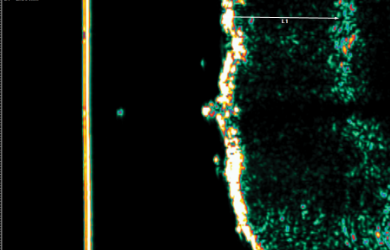
MID-TREATMENT
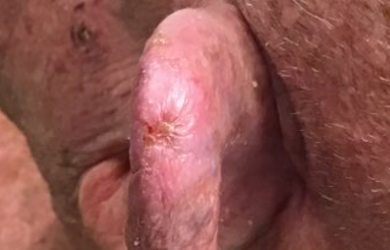
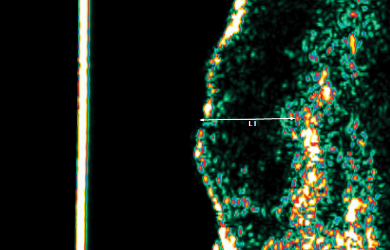
2-WEEK FOLLOW-UP
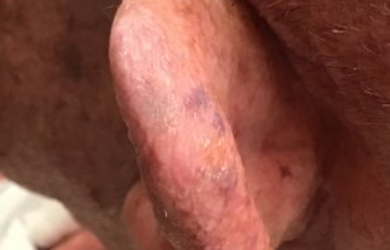
BEFORE TREATMENT
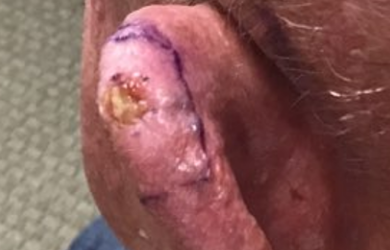
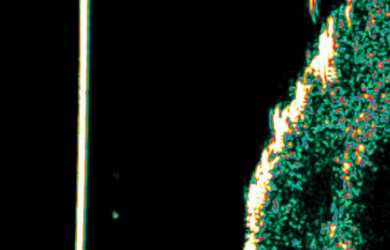
Patient with basal cell skin cancer on the top of the ear before treatment with GentleCure (Image-Guided SRT). You can see the cancer on the skin. The ultrasound image clearly defines the skin cancer under the skin, indicating the full depth, width, and breadth of the cancer.
DURING TREATMENT
About half way through treatment with GentleCure (Image-Guided SRT), you can see the cancer reducing in size on the outside of the skin. The ultrasound image shows that the cancer under the skin has also been reduced.
AFTER TREATMENT
At the two-week follow-up visit after treatment was completed, the outside of the ear shows no signs of cancer. The ultrasound image shows that GentleCure (Image-Guided SRT) continued to eliminate the cancer. At the 30-week follow-up appointment, the ultrasound image showed no signs of cancer.
GentleCure (Image-Guided SRT) is covered by Medicare and most health insurance plans
With most insurance plans, you may have to pay some out-of-pocket cost. That cost will depend on your specific health plan coverage and co-pay policy. Before you commit to a treatment option, we will work with your insurance plan to determine the potential cost to you, so you can make an informed treatment decision. If you are worried about affording treatment, let us know and we can discuss our financial assistance options.
Side effects and cosmetic results
When X-ray energy is used to kill cancer cells, your body will replace the dead cancer cells with healthy tissue over time. There is no surgical scarring and no need for reconstructive surgery. There is, however, a small risk of skin atrophy (thinning of the skin) and pigment changes (changes in the color of the skin) at the treatment site. Other potential side effects may include skin inflammation with redness and swelling at the treatment site. Topical creams or ointments can be used over the course of treatment to minimize these side effects, and the side effects usually go away 2-to 6-weeks after treatment is complete. There is also a risk of alopecia (hair loss) in the treated area only. In the 7 years that patients have been receiving GentleCure (Image-Guided SRT), there have been NO reported cases of secondary skin cancers occuring as a result of treatment.
Dr. Messing is proud to offer the non-surgical, gold-standard for the treatment of nonmelanoma skin cancer
GentleCure (Image-Guided SRT) is a safe and effective, surgery-free treatment for nonmelanoma skin cancers. It is the only skin cancer treatment that is done right in the dermatology office. GentleCure (Image-Guided SRT) is covered by most health insurance plans. Best of all, GentleCure (Image-Guided SRT) is a clinically appropriate treatment option for the majority of people diagnosed with basal cell, squamous cell, and other types of skin cancer.
When it comes to skin cancer treatment, you deserve options. We are here to help.
Appointments are available. If you have been diagnosed with skin cancer, or you are concerned that you may have skin cancer and need treatment, give us a call or schedule your appointment online today.